
NASDAQ Entrepreneurial Center
The Nasdaq Entrepreneurial Center is a nonprofit organization backed by Nasdaq that supports entrepreneurs through free education, mentorship, and resources. Its mission is to increase access and opportunity in entrepreneurship, especially for underrepresented founders, by helping businesses grow and scale.
My Role
Design Research & Strategy Consultant
Project
Stanford d.school Group of 3
The Partnership with the d.school
Timeline
Fall 2025 - 4 weeks
Tools Used
Figma, Figjam
Context
As part of Design 121: Human Values in Design, Stanford’s d.school partnered with the Nasdaq Entrepreneurial Center on a four-week project focused on improving founder-facing programs. Working in a team of three, I conducted user interviews, synthesized research into key insights, validated concepts through live prototype testing with founders, and presented our final recommendations to Nasdaq leadership.
Part 1
Defining Our Unique User Group & User Interviews
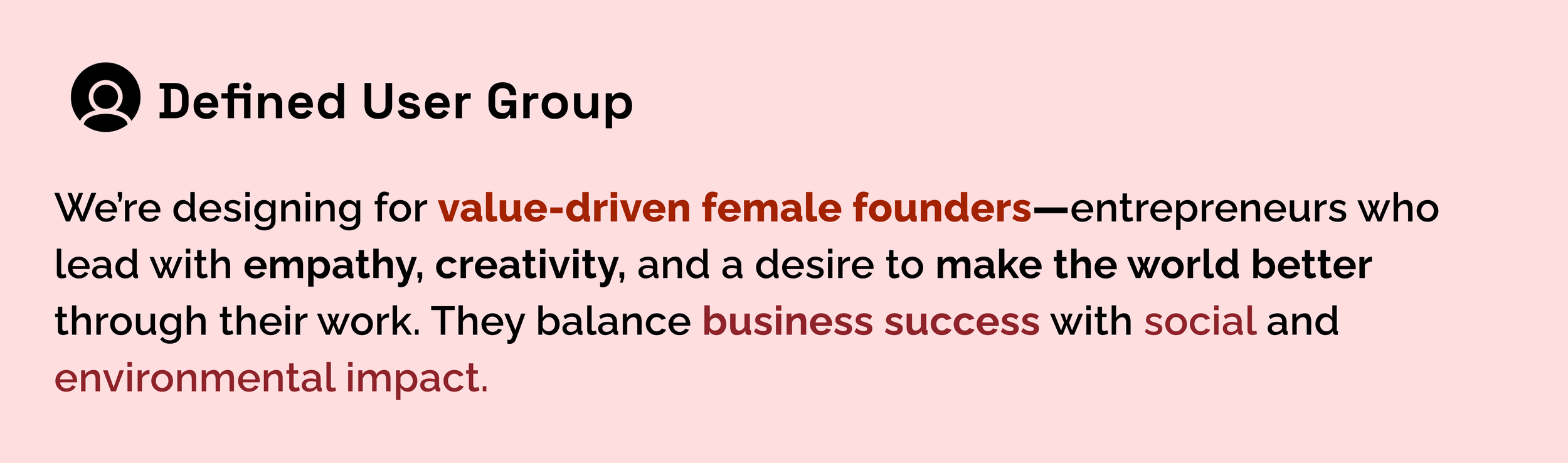
Part 1 involved five Zoom interviews—three female founders, a NASDAQ rep, and one male participant for balanced insights. I was present for all interviews, with a teammate joining each session; one of us conducted the interview while the other took detailed notes. Each interview lasted 45–60 minutes.
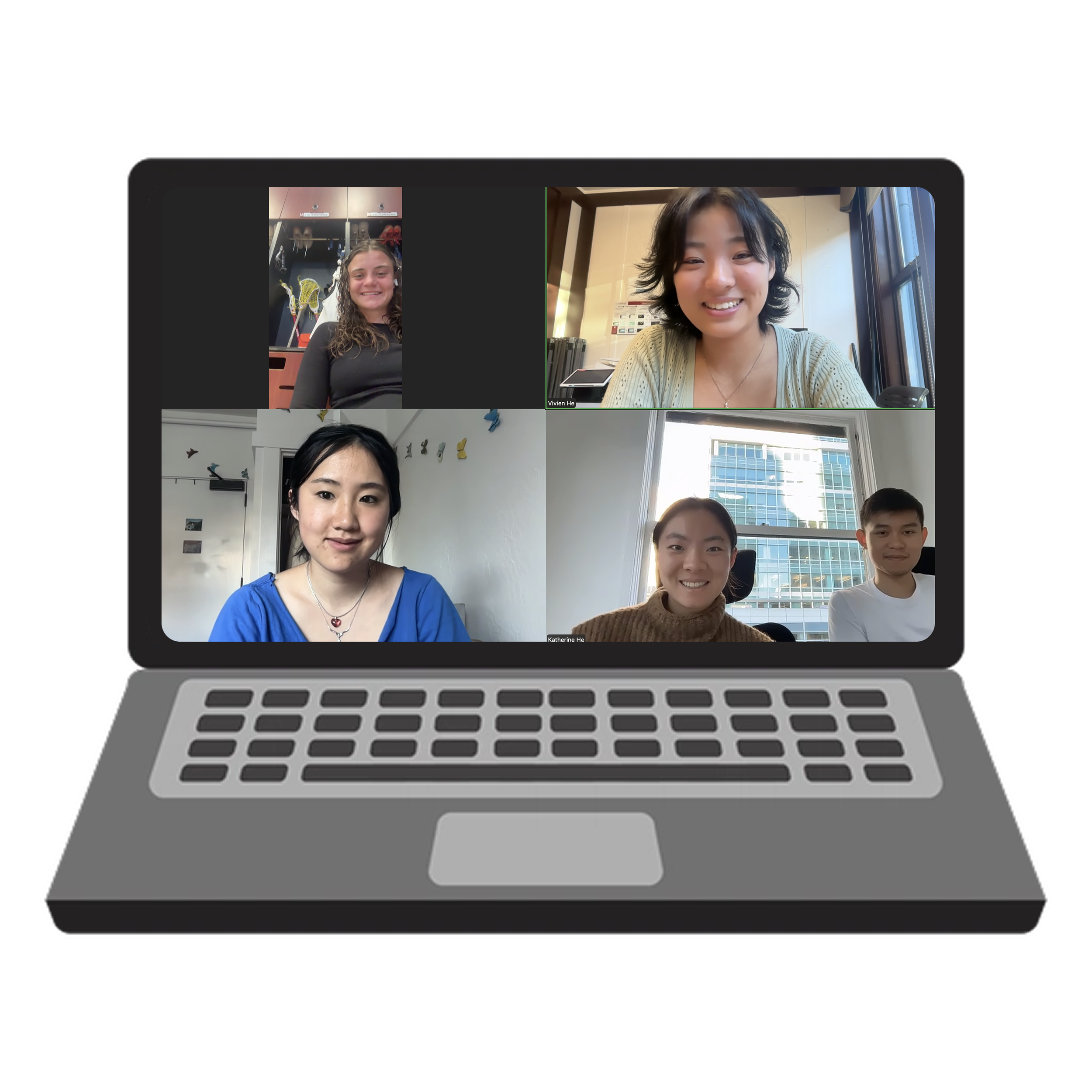
Our Interviewees





Part 2
User Synthesis & Insights
Using our interview data, we leveraged FigJam to organize ideas, identify themes, and uncover tensions across users.
Link to FigJam page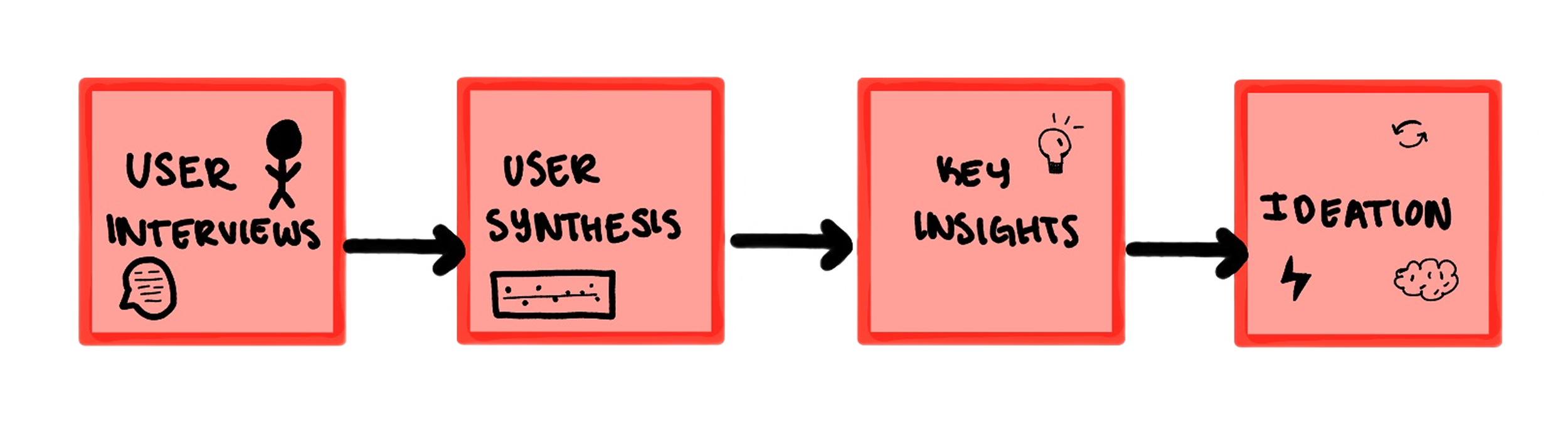
Tensions
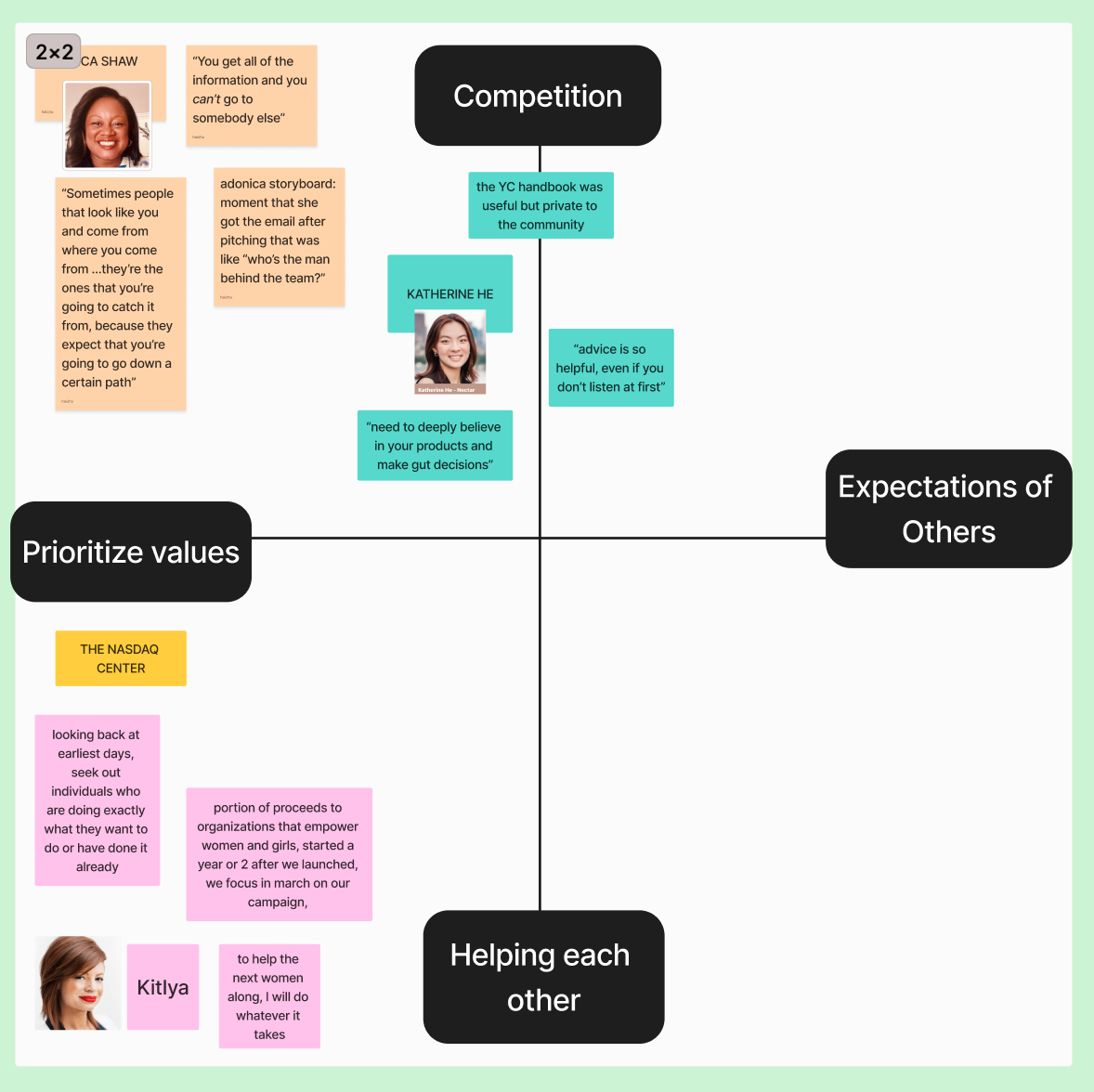
We used a 2x2 matrix to compare tensions and pain points across our users. One key tension was the balance between being as competitive as possible to advance your company while also helping others who were once in your shoes. Another was maintaining core values, as growth often brings external pressures to prioritize profit and success over the principles that define the business.
Another key tension emerged between the supportive environment of the NASDAQ Center, where founders are encouraged and guided, and the competitive, 'dog-eat-dog' reality of the broader business world.
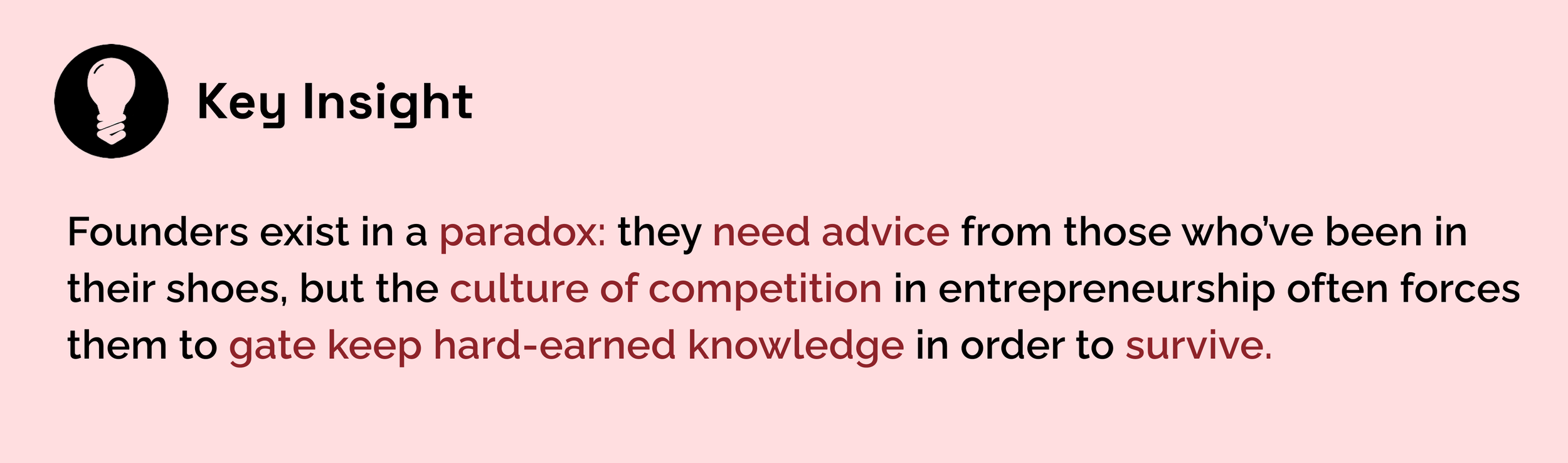
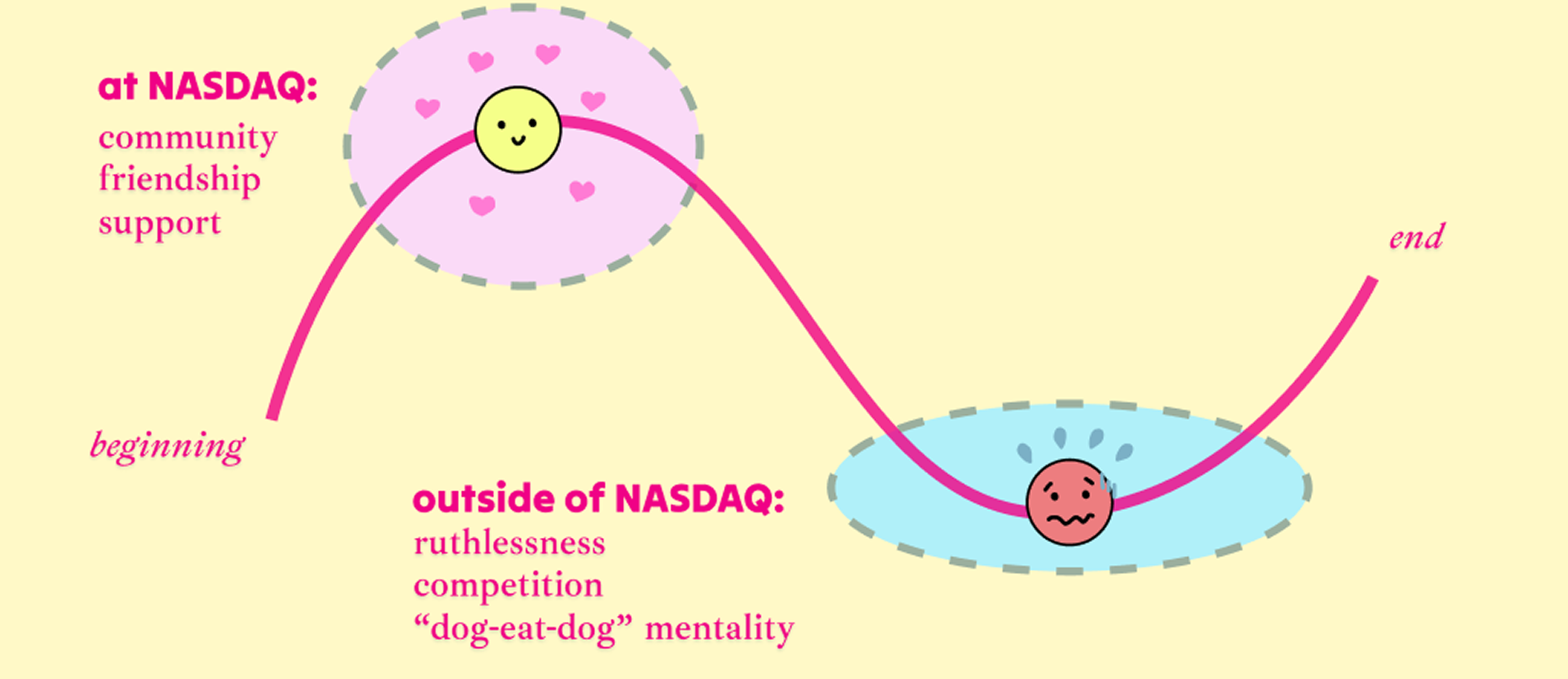
This chart highlights the tension between the supportive NASDAQ environment and the real world. While a safe space is crucial for development, we observed that no clear transition exists for founders moving into the competitive business landscape from the NASDAQ mentorship program.
Part 3
Ideation & Testing
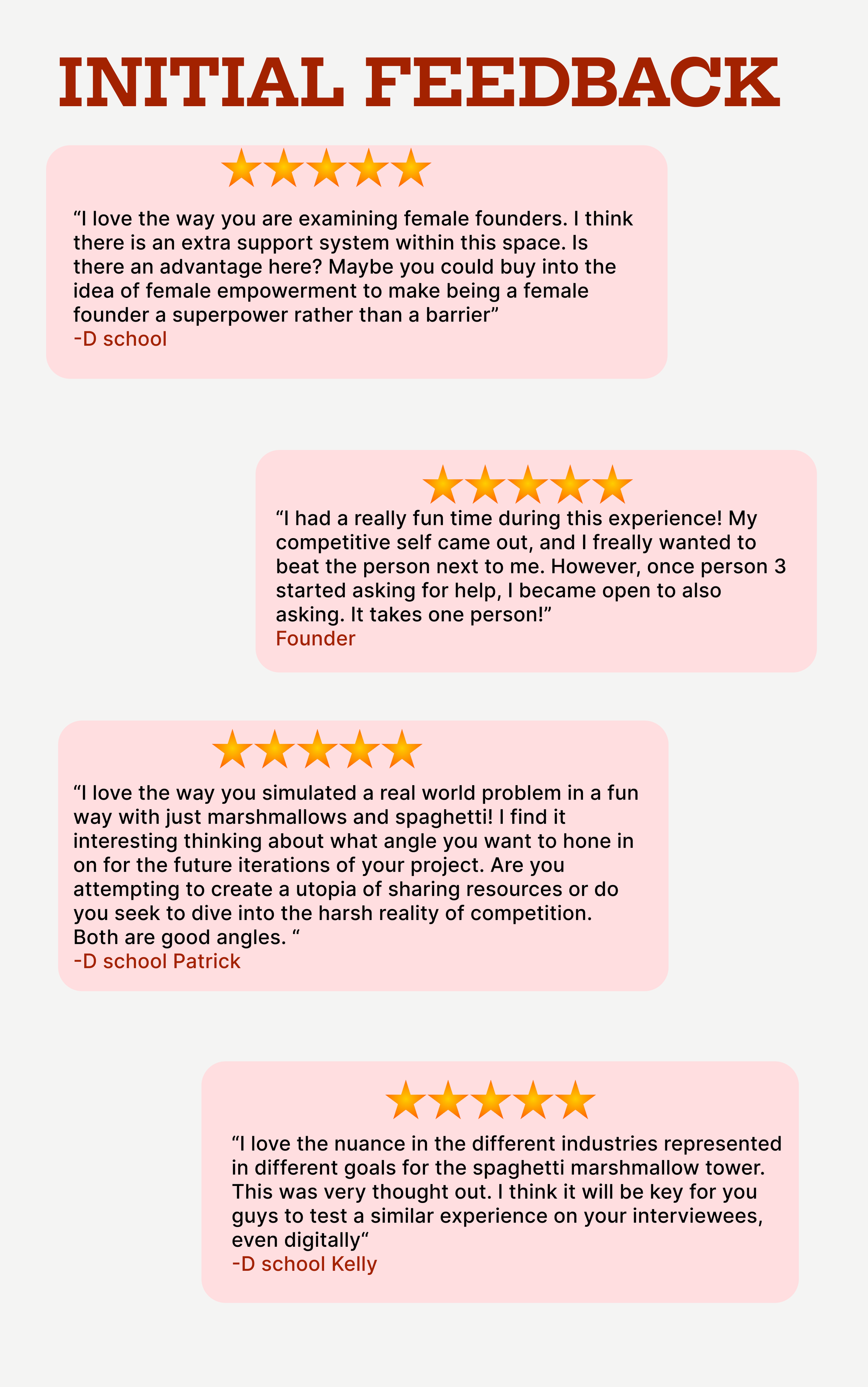
Midway through the project, we held 'Prototype Experience Day' at the d.school, where 40 founders tested our prototypes. Preparing for this, we created three different prototype ideas. I will focus on the one I developed individually. These prototypes were designed to test insights, not serve as final products. We utilized this research for pitching our final recommendation to leadership.
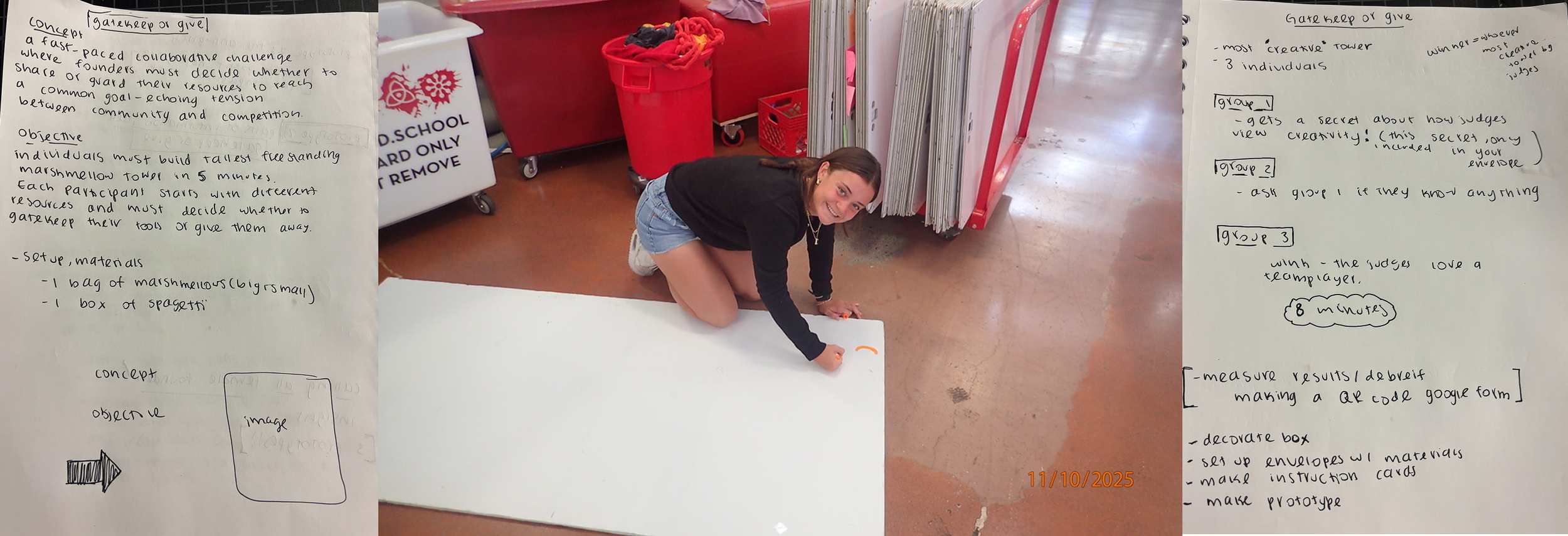
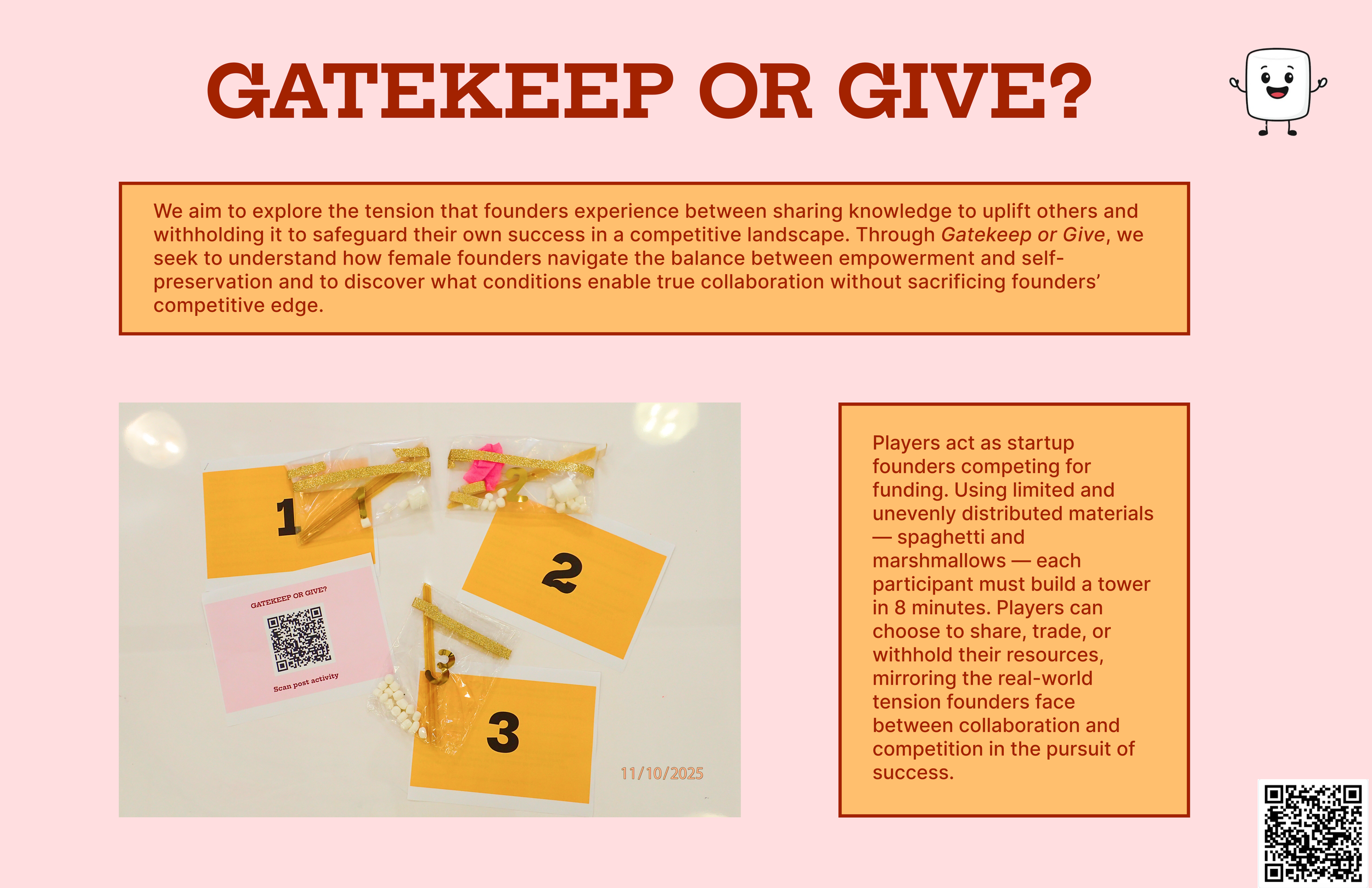
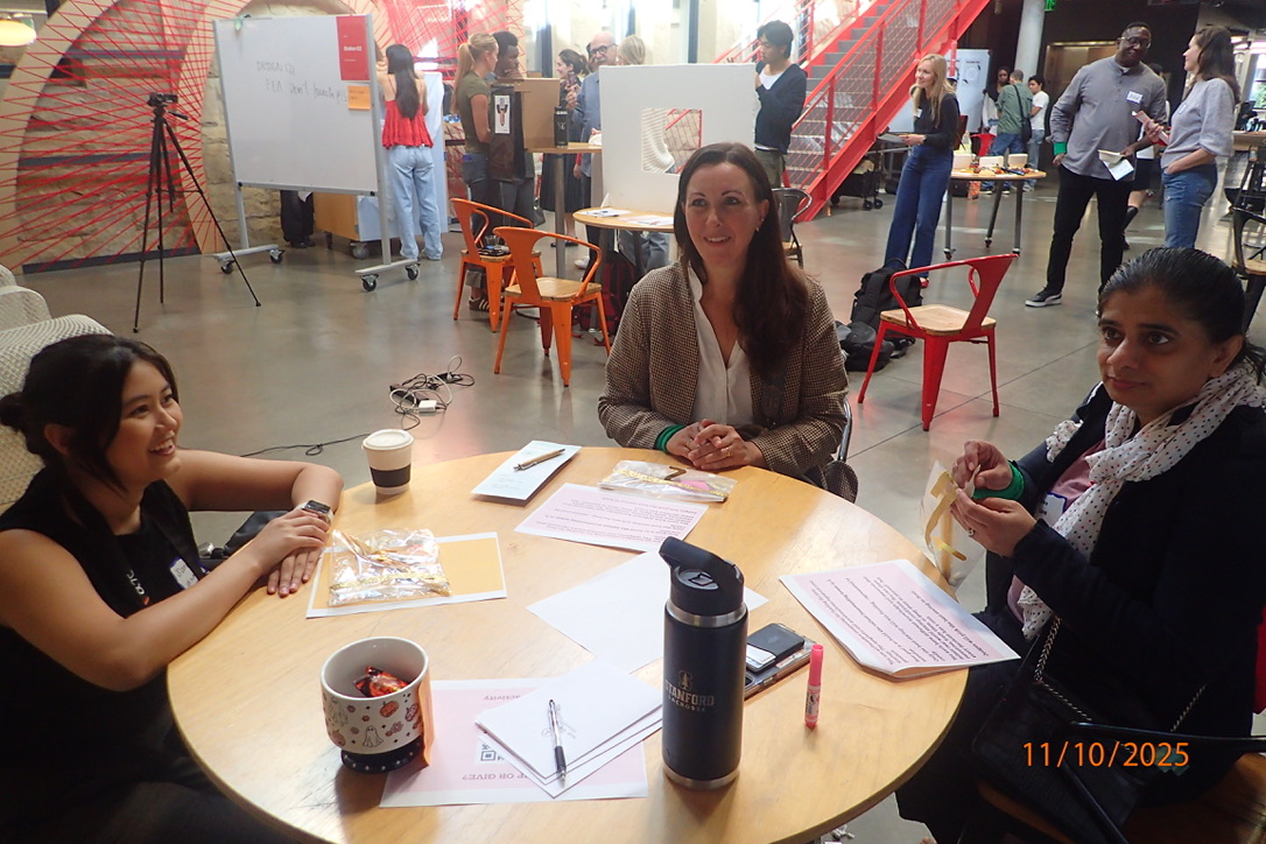
During Gate-keep or Give, three founders competed against one another, each with different allocated resources and a shared pot of candy representing funding. Participants 1 and 2 were assigned the same task—to build the tallest tower—but were given unequal amounts of materials, requiring them to negotiate and share resources. Participant 3 was tasked with building the prettiest tower and was given materials that could also benefit Participants 1 and 2.
This experiment allowed us to observe whether founders would choose to help one another in a cutthroat environment, as well as how differing goals—analogous to varied startup objectives—might influence collaboration, competition, and resource sharing.
Part 4
Research Results
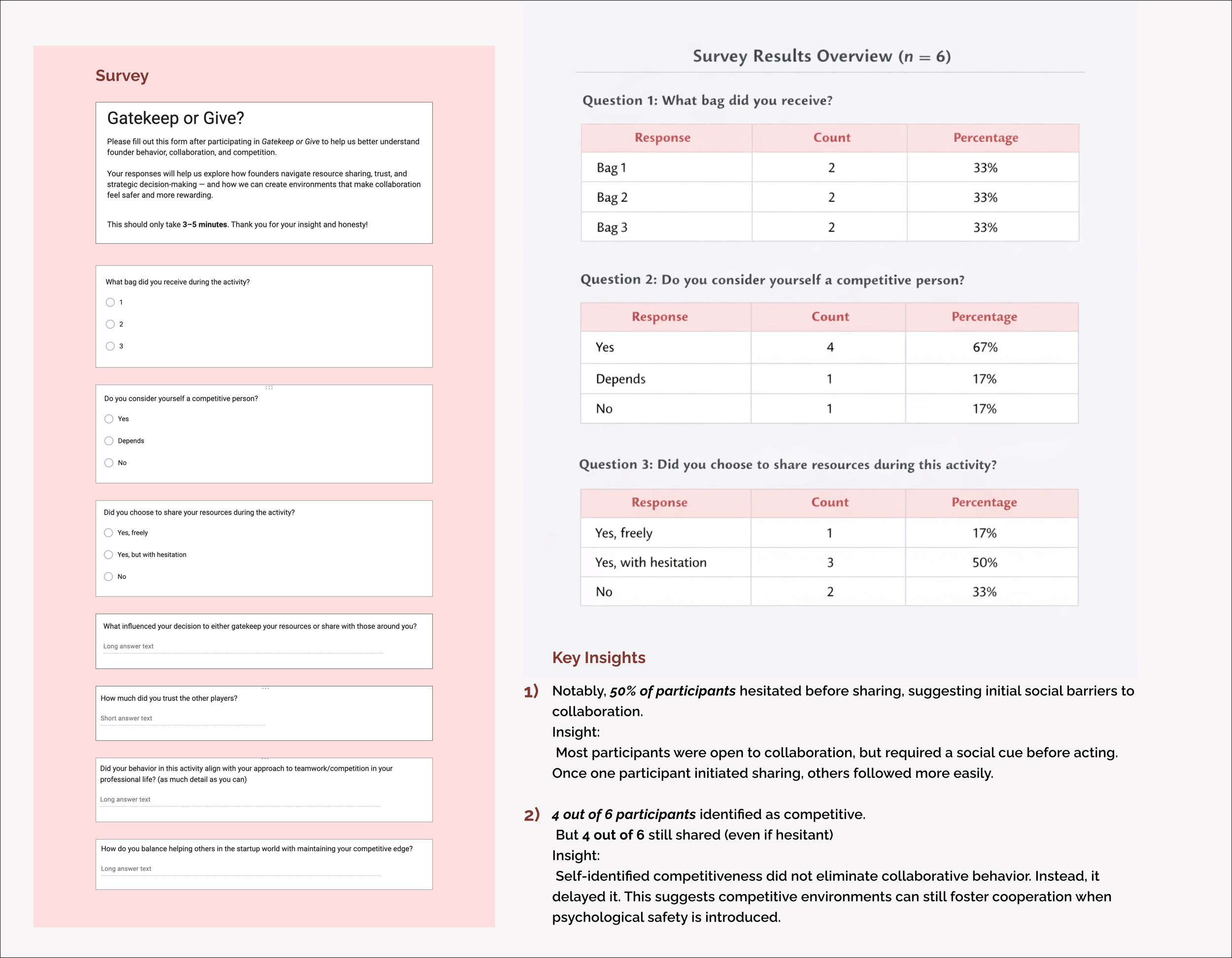
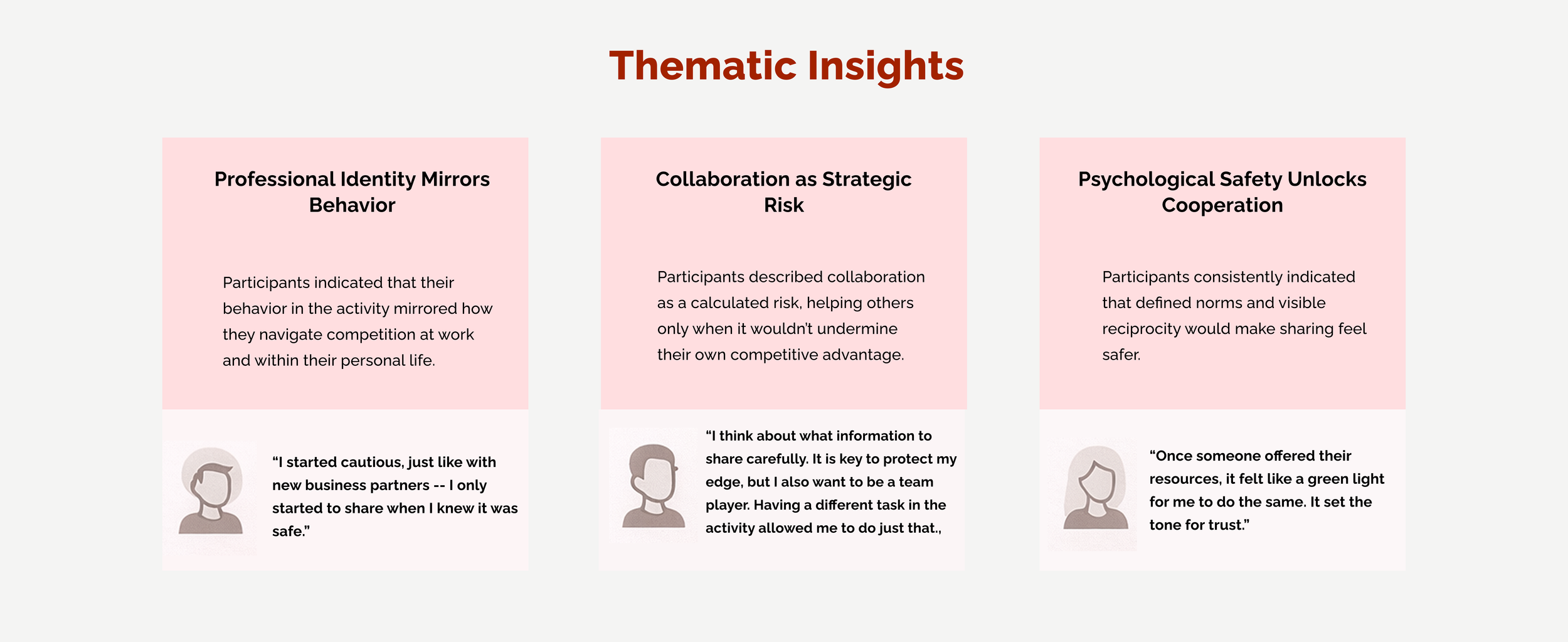
At the conclusion of Gatekeep or Give, I deployed a post-activity survey to collect both quantitative and qualitative data on participant competitiveness, sharing behaviors, and perceived social dynamics. These findings were synthesized to identify behavioral trends and inform evidence-based iterations of our final design solution.
Part 5
Final Prototype and Presentation
Lessons and Learnings
The Importance of Navigating Ambiguity
A key takeaway from this project was learning how to navigate ambiguity—working within unclear guidelines, tight constraints, and a fast-paced timeline. Through this process, I discovered that I thrive in a project management role, where I can help lead a team, maintain momentum, and keep the work aligned with our goals.
This project also reinforced the importance of letting design research truly guide decisions. Conducting interviews pushed me to look beyond surface-level insights, uncover tensions within our user group, and continually ask why in order to reach deeper understanding.
I poured significant time and energy into this project, and I am incredibly proud of our final recommendation. Some of my favorite moments were the late nights spent with my design team—digging into insights, challenging each other’s ideas, and refining our thinking together. Those conversations were where the work truly came to life.